Material TipsOct 15, 2025•7 min read
Best Wood for Outdoor DIY Furniture: Cedar vs. Redwood vs. Pine
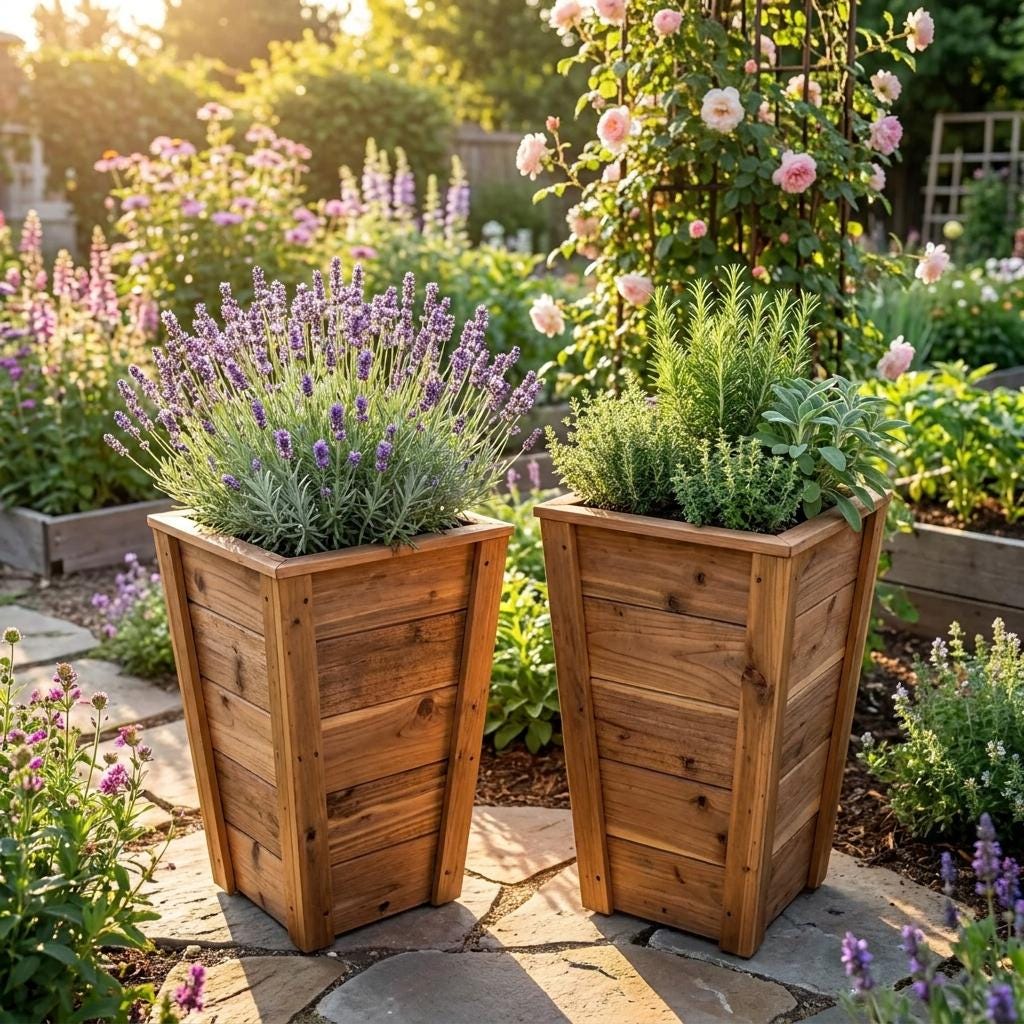
Selecting the right species of wood is the most critical decision for any outdoor DIY project. Weather, moisture, sun, and insects will quickly degrade standard untreated lumber. Let's compare the three most common outdoor timbers: Cedar, Redwood, and Pressure-Treated Pine.
1. Western Red Cedar: The Gold Standard for Gardens Western Red Cedar is lightweight, extremely stable, and has unique natural properties:
Wrap and Shrink Resistance Cedar resists wrapping, twisting, and shrinking even under severe weather changes.
Natural Wood Preservatives It contains natural oils that repel insects and prevent rot.
Workability and Weight It is easy to cut, route, and sand, and is lightweight enough for mobile stands.
2. Redwood: Premium Durability and Rich Color Redwood shares many benefits with Cedar but is structurally denser and stronger:
High Structural Load Capacity It stands up better to high-impact weights, making it ideal for support structures.
Aesthetic Grain Patterns It has a deep, red grain that looks stunning when finished with a transparent clear stain.
3. Pressure-Treated (PT) Pine: Budget Structural Support Pine wood chemically treated to resist rot and termites:
Budget-Friendly Choice It is highly affordable and strong, making it ideal for structural frames (like swing posts or sauna base frames).
Chemical Handling Safety PT Pine tends to warp as it dries. You must handle it safely and paint or seal it once dry.
🪵
Ready to build this project?
Skip the measurement calculations. Download our high-fidelity, dual Imperial/Metric PDF woodworking blueprint containing fully optimized materials lists.
View Cedar Planter Box Plans